
Original
La Presse, Montréal, jeudi 18 avril 1963
Surtout ne dites pas que la mémoire est une faculté qui oublie!
Quelques photos, diverses mentions de faits glorieux, héroïques ; des noms qui nous furent longtemps familiers… et tout de suite, sur l’écran de la mémoire, des images reprennent vie et couleurs.
Car nous l’avons vécue cette période fébrile, axée sur I’inquiétude et structurée sur le courage, et des mois durant nous avons suivi, sur l’interminable ruban du télétype, l’exaltante aventure de l’escadrille « 425 » Alouette.
Ils avaient 20 ans à peine pour la plupart. Réfléchis et ardents à la fois, tous avaient choisi la liberté dont on peut jouir aussi intensément qu’on a été valeureux au moment de la défendre. Peu nombreux aux premières heures, mais les chefs possédaient un tel don puissant de persuasion que bientôt ils furent des centaines à endosser l’uniforme. Des centaines qui finalement formeront un total de 2000 hommes.
Étaient-ils des casse-cou? Nullement. Voulurent-ils jouer aux héros? Pas plus. Volontairement, ces hommes jeunes offrirent leurs services, sachant exactement combien était redoutable la partie dans laquelle ils s’engageaient.
Ils partirent donc puis ce fut notre rôle, au gré des jours et des événements du conflit, de consigner des faits d’armes propres à galvaniser notre fierté. Hélas, maintes fois les dépêches comportèrent des listes de noms suivis de la tragique mention :
DISPARU. Le sacrifice avait été suprême, le dévouement à la plus noble cause avait exigé sa dramatique rançon.
Puis les années passèrent et l’on put croire que tant de noms inscrits au parchemin glorieux ne seraient plus que de vagues souvenirs s’amenuisant dans Ie temps. Certes c’était le risque à courir. Les générations d’une époque savent peu comment et pourquoi Ies générations précédentes, au moment du choix, ont opté pour le danger, ont choisi la voie dangereuse, ont emprunté la route sans Iendemain. Mais, il est une fraternité des armes qui survit aux désastreuses morsures du temps; cette fraternité sait faire sonner, au moment opportun, Ie rappel de l’initiative de « regroupement des Alouettes » — à laquelle est consacrée la présente documentation — n’est qu’un nouvel exemple de la permanence du souvenir. Qui peut, un temps, sommeiller, mais retrouve vigueur et saine exaltation chaque fois qu’il convient de rassembler ceux-là qui, à un certain moment de I’histoire de leur pays, n’ont pas écouté d’autre voix que celle du devoir.
L’hommage aux disparus sera sobre, émouvant, sans inutile fanfare. Au fait, ont-ils, ceux-là qui sont tombés en plein ciel … un monument collectif en terre canadienne ? Si la réponse est négative, est-il vraiment trop tard pour édifier, dans un matériau noble, un monument — et qu’il soit modeste — sur Iequel on pourrait lire des noms ayant largement mérité d’être retenus à jamais ?
La mémoire n’oublie pas toujours. Encore faut-iI, parfois, dresser sur la route du souvenir un humble monument qui, du passé, sera Ie témoin éloquent.
Roger CHAMPOUX
Translation
La Presse, Montreal, Thursday, April 18, 1963
Don’t say that memory is a faculty that forgets!
A few photos, various mentions of glorious, heroic events; names that were familiar to us for a long time… and immediately, on the screen of memory, images come back to life and colour.
For we lived through this feverish period, focused on anxiety and structured on courage, and for months on end we followed, on the endless tape of the teletype, the exhilarating adventure of « 425 » Alouette squadron.
Most of them were barely 20 years old. Thoughtful and ardent at the same time, they had all chosen the freedom that one can enjoy as intensely as one was valiant in defending it. Few in number in the early hours, but the leaders possessed such a powerful gift of persuasion that soon hundreds of them donned the uniform. Hundreds that eventually grew to a total of 2,000 men.
Were they daredevils? Not at all. Did they want to be heroes? No more than that. Voluntarily, these young men offered their services, knowing exactly how fearsome the game they were getting into was.
So they left, and then it was our job, as the days and events of the conflict unfolded, to record the feats of arms that would galvanize our pride. Alas, many times the dispatches included lists of names followed by the tragic words:
MISSING IN ACTION. The sacrifice had been supreme, the devotion to the noblest cause had demanded its dramatic ransom.
As the years passed, it seemed as if so many names inscribed on the glorious parchment were nothing more than vague memories fading in time. Certainly that was the risk involved. The generations of one era know little of how and why the previous generations, at the time of their choice, chose the dangerous path, took the road without tomorrow. But there is a brotherhood of arms that survives the disastrous bites of time; this brotherhood knows how to ring the bell, at the right moment, at the right time, to remind us of the initiative of « regrouping the Alouettes » – to which this documentation is dedicated – is but another example of the permanence of memory. It can, for a time, slumber, but regains vigour and healthy exaltation every time it is appropriate to gather together those who, at a certain point in the history of their country, did not listen to any voice other than that of duty.
The tribute to the missing will be sober, moving, without unnecessary fanfare. By the way, do they, those who fell in the sky… have a collective monument on Canadian soil? If the answer is no, is it really too late to erect a monument in noble material – and let it be modest – on which we could read names that have richly deserved to be remembered forever?
Memory does not always forget. Sometimes it is still necessary to erect a humble monument on the road to remembrance which will bear eloquent witness to the past.
Roger CHAMPOUX

 collection of Jean-Paul Michaud via Ginette Michaud
To be continued…


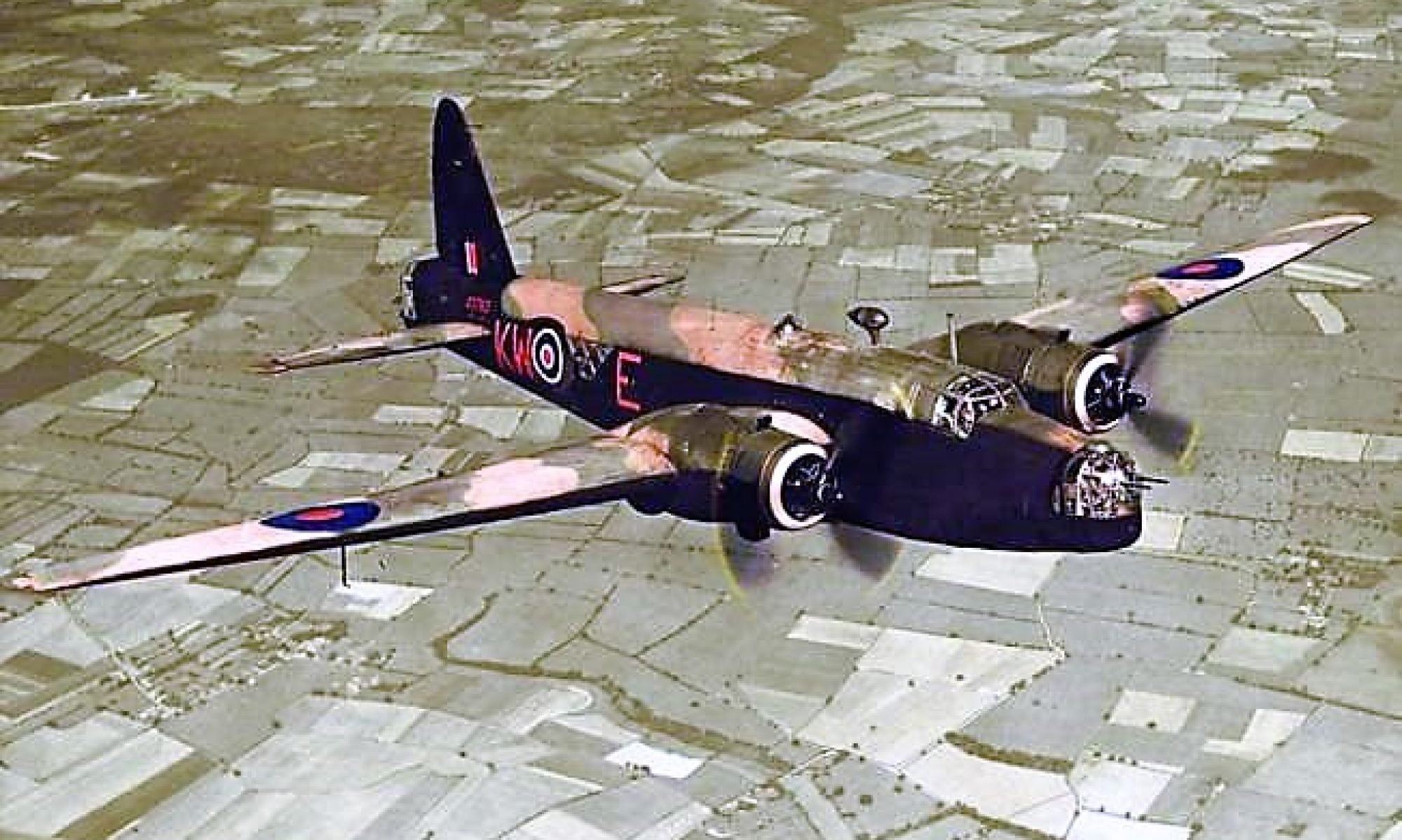


 RCAF 425 Alouettes III